


2025 Ford Transit® in Cleveland Heights, OH
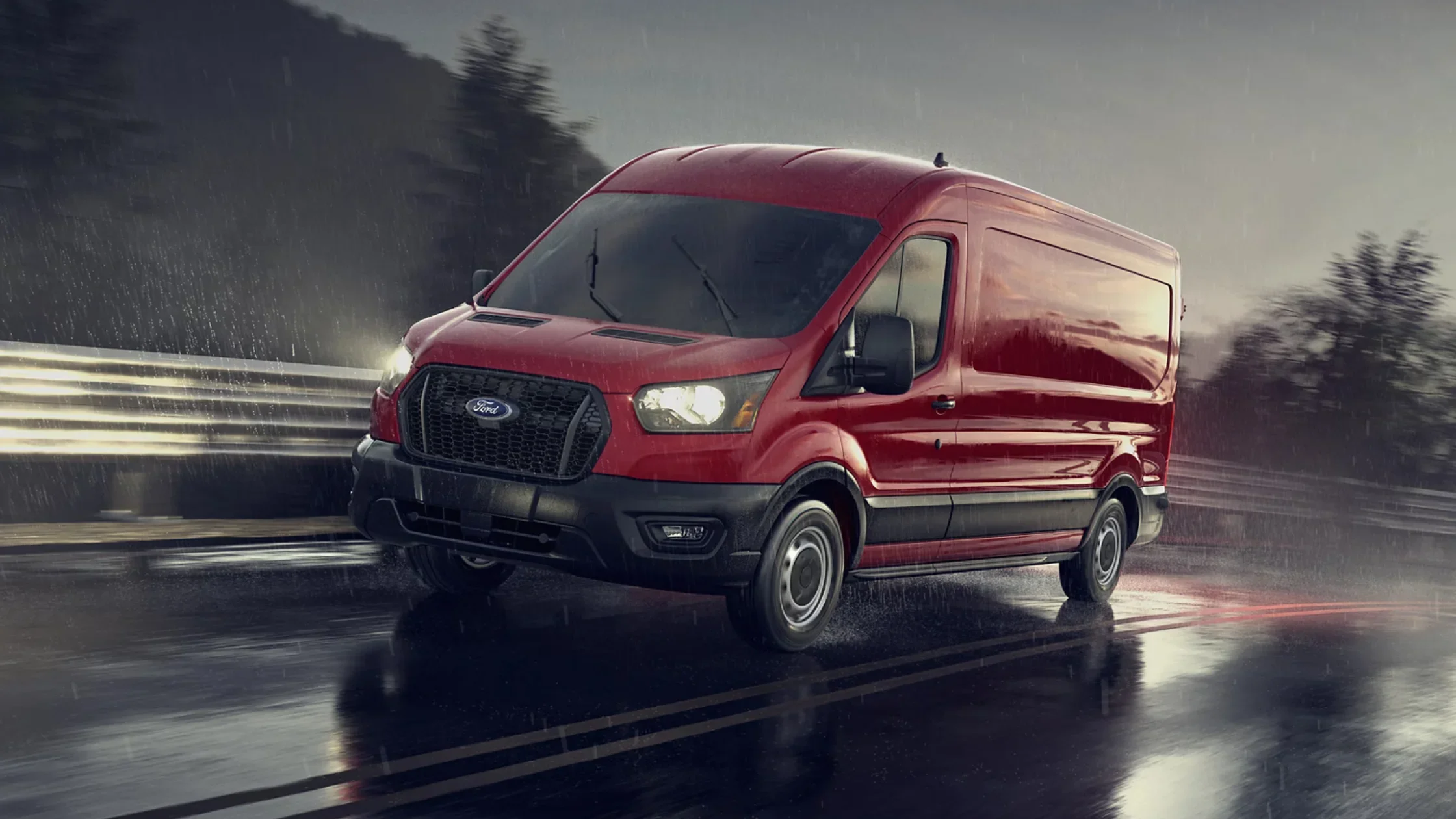 The 2025 Ford Transit® Passenger Van is engineered to serve a wide range of commercial and institutional transport needs. Designed with utility in mind, the model delivers options that support passenger capacity, drivability, safety, and cargo flexibility. The vehicle structure is adaptable to various operational demands, from shuttle services to group logistics. With multiple roof heights, wheelbase lengths, powertrain options, and interior arrangements, the 2025 Ford Transit® provides a platform tailored to professional transport.
Powertrain Variants Designed for Demanding Schedules
The 2025 Ford Transit® model offers two engine choices, each configured to support different driving conditions and load requirements. The standard 3.5L PFDi V6 provides a balance of consistent output and simplicity. It uses port fuel and direct injection to manage efficiency and maintain reliable performance across repeated stop-and-go intervals. For transport operators that encounter more challenging terrain or carry heavier loads, the available 3.5L EcoBoost® V6 introduces higher output levels through twin-turbocharged capability. This engine option is better suited for extended highway driving and mixed-use applications.Both engines pair with a 10-speed automatic transmission calibrated to support gradual torque application and optimal gear selection. The transmission adjusts shift logic to align with speed, road grade, and throttle input, helping maintain smooth operation in a fully loaded van.
Drivetrain Options for Urban and Rural Coverage
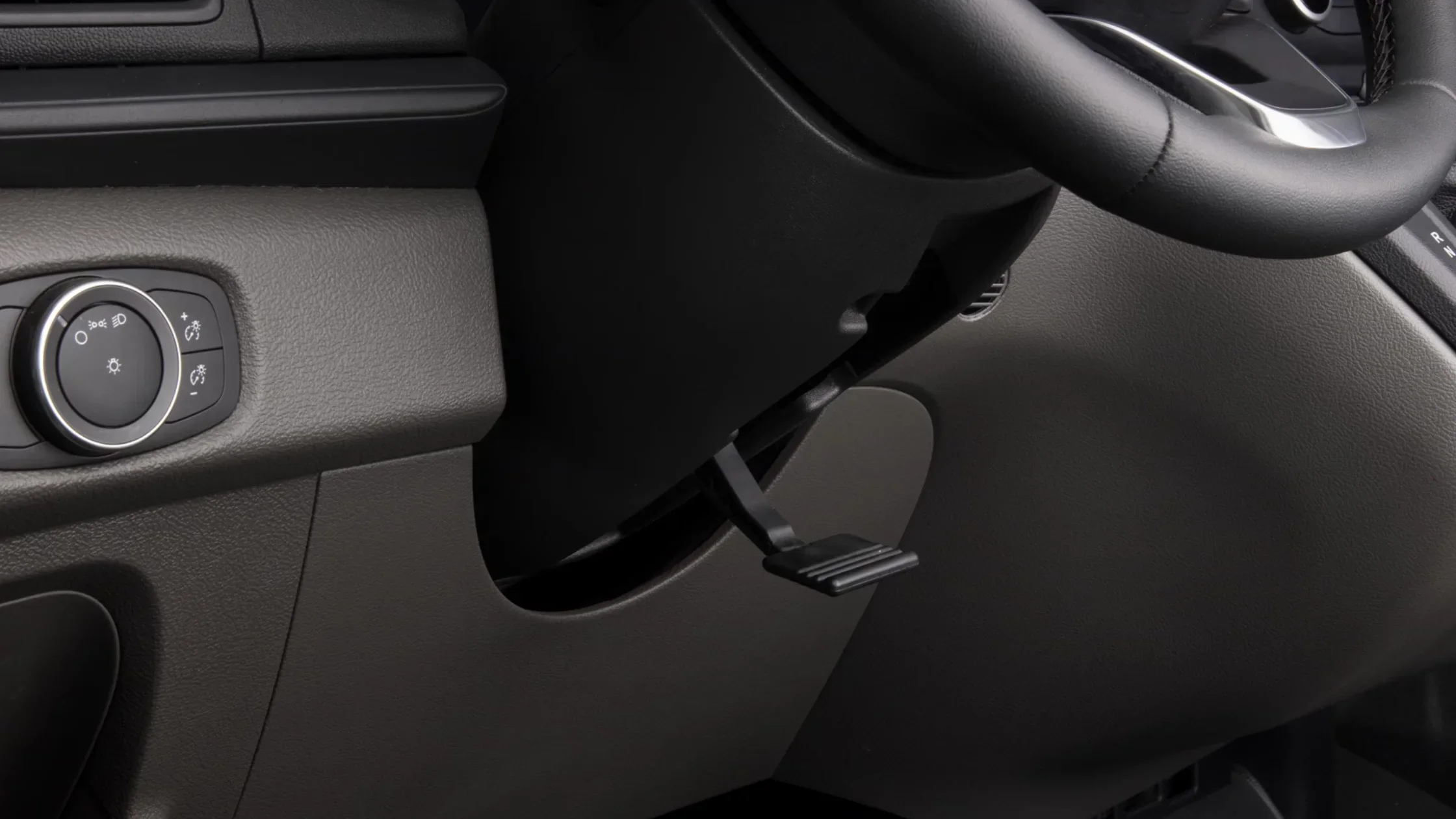
Ford offers the 2025 Ford Transit® with two drivetrain formats. Rear-wheel drive remains standard across most configurations. This layout supports balanced load distribution, consistent cornering behavior, and simplified maintenance procedures. For routes that traverse wet, icy, or gravelly conditions, the Intelligent All-Wheel Drive system actively engages traction across all four wheels. This system uses real-time sensors to shift torque distribution based on wheel slippage and road feedback.
Exterior Dimensions and Layouts Suited for Operational Scalability
The 2025 Ford Transit® can be configured in either long or extended lengths. The long body measures 235.5 inches, supporting standard seating arrangements with ample luggage space. The extended configuration increases overall length to 263.9 inches, which allows additional rows of seating or larger cargo zones behind the rearmost bench. Three available roof heights expand interior vertical space. The low-roof model stands at 82.4 inches, allowing entry into most parking structures and garages. The medium roof model increases height to 99.2 inches, providing additional headroom without affecting balance. The high-roof variant reaches 108.6 inches, offering full upright clearance for most passengers and enhancing rear visibility.Passenger Accommodations and Interior Functionality
The 2025 Ford Transit® supports up to 15 occupants, depending on configuration. The cabin uses bench seating for the second through fifth rows, maintaining consistent spacing and walkways between seats. The first row features bucket-style seats for the driver and front passenger, with manual recline adjustment and integrated headrests as standard. Available upgrades include 10-way power driver and passenger seats with heating functions. These options use durable cloth materials designed for high-traffic commercial interiors.The interior layout is structured to provide logical access to controls and storage. A center console with an integrated gear selector, dual cupholders, and an armrest creates a centralized control area for the driver. Overhead storage bins and optional under-seat storage increase space for personal items, equipment, or service-related materials. Rear air vents and dedicated climate zones support comfort across all rows, managed by Electronic Air Temperature Control. This system regulates temperature and airflow to maintain consistent cabin conditions under variable external environments.
Connectivity and Technology Integration for Operational Efficiency
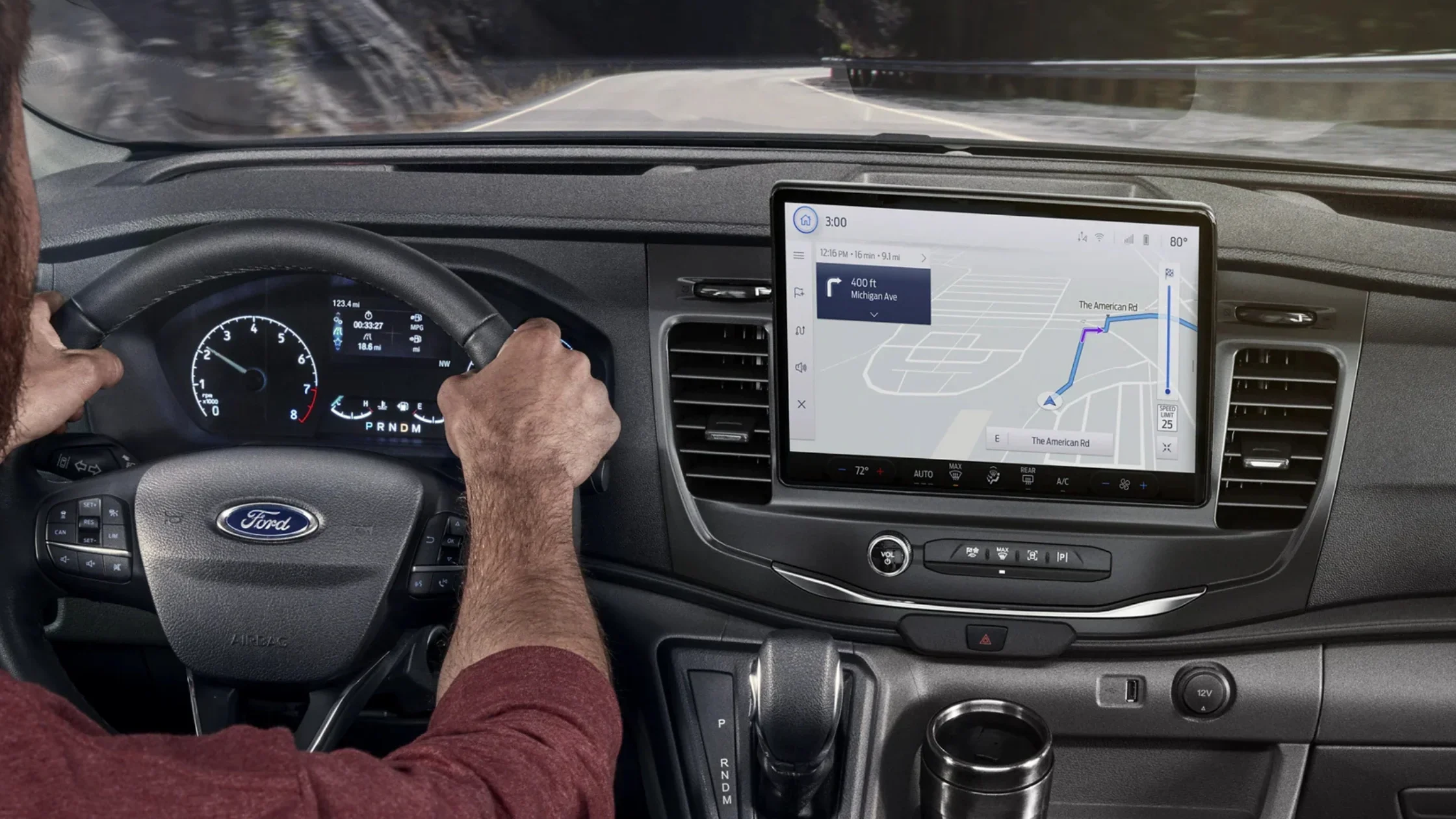
All 2025 Ford Transit® trims are equipped with the SYNC® 4 infotainment platform. This system includes a 12-inch touchscreen with voice recognition and real-time response to driver input. The interface integrates Bluetooth® capability, media streaming, and smartphone compatibility for streamlined control of communications and navigation.
The system also enables remote functions such as lock control, vehicle location, and service status alerts when paired with the FordPass® app. These features provide fleet managers and drivers with extended visibility into vehicle condition and allow real-time adjustments to schedules or maintenance intervals.
Safety Systems Structured for Predictive and Reactive Protection
The 2025 Ford Transit® includes a suite of safety technologies designed to reduce the risk of accidents and manage driver response during unexpected situations. Pre-Collision Assist with Automatic Emergency Braking uses forward-facing sensors to detect potential impact scenarios and can automatically apply braking force to help mitigate a frontal collision. The lane-keeping system monitors road markings and delivers alerts or corrective input when unintentional lane departure is detected.Rear View Camera with Trailer Hitch Assist™ provides visual guidance during reverse movement and trailer alignment. The Safety Canopy® System includes side-curtain airbags that deploy from above the windows during a side impact or rollover, covering passengers in all seating rows. Standard integration of these systems across multiple trims supports consistent driver support across different configurations.
Additional available systems include Blind Spot Information System with Cross-Traffic Alert and Trailer Coverage. This technology monitors surrounding lanes and rear-approaching traffic and delivers visual or audio alerts to the driver. Adaptive Cruise Control maintains a preset following distance during highway travel and supports fatigue reduction on extended drives. Enhanced Active Park Assist adds guidance during parallel and perpendicular parking, providing steering input while the driver maintains control of the pedals and gear selection.
Exterior Features Designed for Access and Visibility
The 2025 Ford Transit®is designed with ease of access and operational durability in mind. The front end includes a mesh grille with either carbon black or chrome surrounds, depending on trim. Auto High-Beam Headlamps activate based on ambient light and surrounding traffic. Wiper-activated headlamps improve low-visibility driving by adjusting forward illumination when rain is detected. Optional high-intensity discharge headlamps provide enhanced brightness and beam reach.The model includes a sliding passenger-side door as standard. Rear doors open up to 180 degrees in the base configuration. An available extended hinge increases the opening to 253 degrees, allowing easier access during curbside loading or in parallel parking arrangements. Mirror systems vary by trim and may include manual folding, power adjustment, and heated glass. Turn signal indicators are integrated into upper-trim mirror housings for better lane visibility.
Performance Ratings for Load Management
The 2025 Ford Transit® provides a maximum payload rating of up to 3,475 pounds, depending on configuration. The towing capacity peaks at 4,500 pounds when properly equipped. These figures enable mixed-use deployment where passenger seating and cargo handling intersect. The standard fuel tank holds 25 gallons. An extended-range tank with 31-gallon capacity is also available for routes that require longer intervals between refueling.Chassis and Suspension Setup for Repetitive Operation
The suspension system features Independent MacPherson®-Struts at the front with a stabilizer bar to control body movement and absorb front-end vibration. At the rear, a leaf spring setup combined with heavy-duty gas shock absorbers supports high-load consistency.Electric Power-Assisted Steering (EPAS) automatically adjusts steering resistance based on vehicle speed. This system allows lighter steering inputs at low speeds for maneuvering in confined spaces and tighter control at highway speeds for directional stability. The steering system also integrates with driver-assist technologies to support parking and lane-centering features.